
Blog
To trust or not to trust: How implicit learning affects intergroup altruism
People are naturally more generous toward those who have helped them before. Could this simple idea be used to encourage kindness and generosity across social boundaries – such as between people of different racial or ethnic backgrounds? In this new publication, The CORE lab shows how much we can learn about others from subtle, nonverbal cues, such as eye gaze, and that these learnings can have a positive impact on generosity across social boundaries, often without our awareness. A lay summary of the project is available on our Medium page.
Beyond our beliefs: Gender categorization and unconscious stereotypes
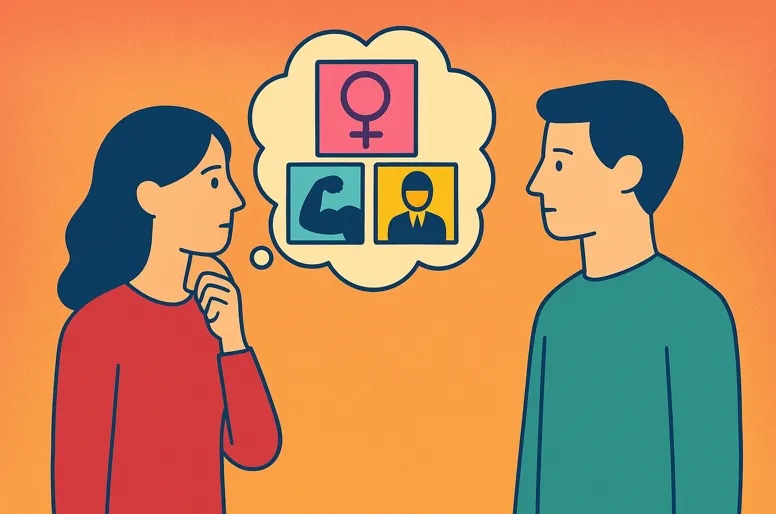
Man or woman? Our brains love quick labels. Yet, science remains unclear about the specific stereotypes triggered by such gender categorization. Furthermore, how does this process apply to the emergence of non-binary identities? The GENCA project examines how this spontaneous categorization shapes our judgments. Read our blog post to discover how these subtle mechanisms can generate gender stereotypes.
Do you even see me? How visual contact shapes responsiveness in relationships across cultures
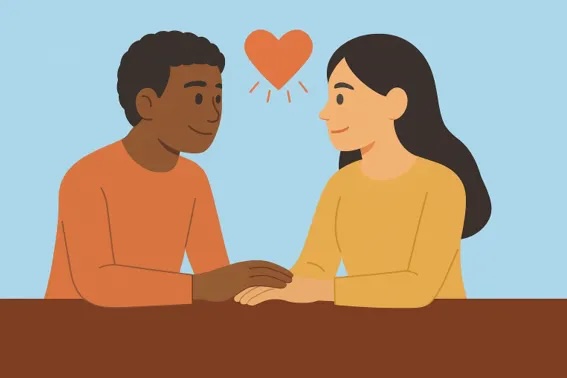
Nonverbal communication and especially eye contact, shapes how romantic partners feel understood and supported. Yet its meaning can differ widely across cultures. The CORE Lab’s RESCO project investigates how the duration and frequency of visual contact influence perceived partner responsiveness among couples from individualistic and collectivistic backgrounds. Read our blog article to learn how eye gaze shapes emotional connection.
Can therapists read minds? Investigating clinical expertise and the mechanisms of interpersonal accuracy
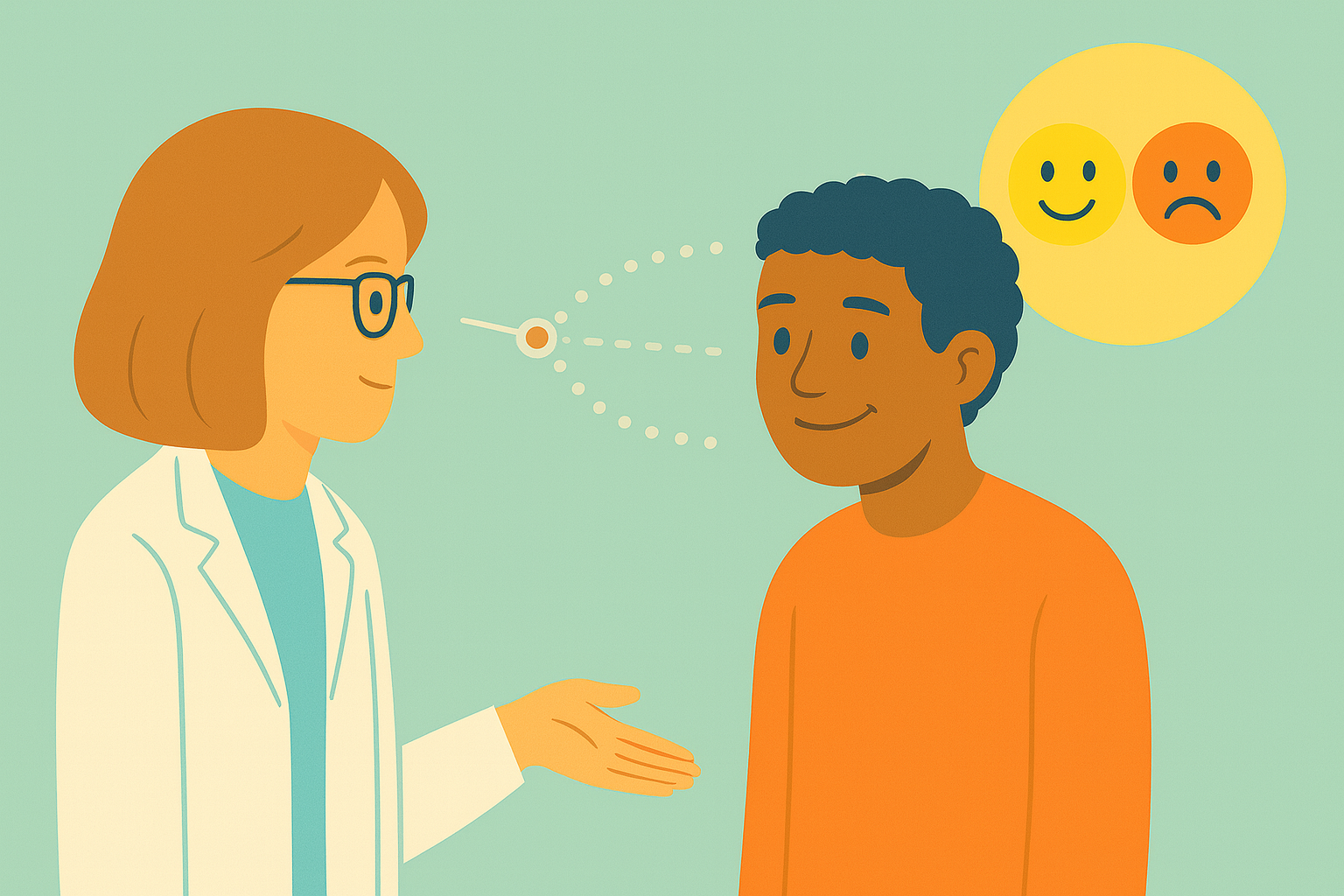
Interpersonal accuracy, defined as the ability to correctly perceive others’ emotions and personality, plays an essential role in our daily interactions. Yet its underlying mechanisms remain unclear, particularly in therapeutic contexts. The CORE lab is currently conducting a project examining how clinical expertise and the detection of social cues contribute to this skill. Visit our blog post to learn more about the project.
Are eyes truly a mirror into a person’s soul? Connecting eye contact to social cognition
Eye contact is a powerful non-verbal communication tool that reveals key aspects of a person’s personality and helps humans connect and interact more easily. Yet, surprisingly, it has never been rigorously studied from a scientific perspective. The CORE lab is now conducting new research to measure the concrete effects of eye contact on human social cognition. Consult our blog article to learn more about this project.


Talk me through it: Using language analysis to understand the parents’ journey to support their gender-diverse children
To date, no research has explored gender-diverse individuals’ parents’ experiences in group therapies using automatic language analysis. We are currently conducting research on this topic with McGill University Sexual Identity Center (MUSIC). Consult our blog article to learn more about this project.
Experience is the best teacher: How social cues help us in future interactions
How does observing others’ gaze influence our future interactions? Our latest article explores the impact of visual attention on how we shape our social relationships in a complex world.


Do you like what you see? How gaze reveals our attitudes
Visual attention is essential in how we perceive the world around us. We recently published a new article on our blog that explores the influence of our attention on our perception of people and objects.
Who’s the Boss : How Leaders Attract our Attention
Have you ever thought about how leaders attract our attention? We have just published an article about this topic on our blog, which you can find at this link!


